E. coli
in water is a sign of fecal contamination, meaning the water may contain harmful microorganisms from animal or human waste

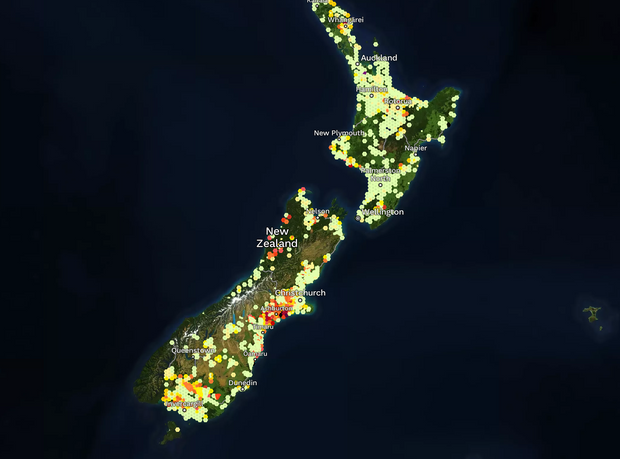
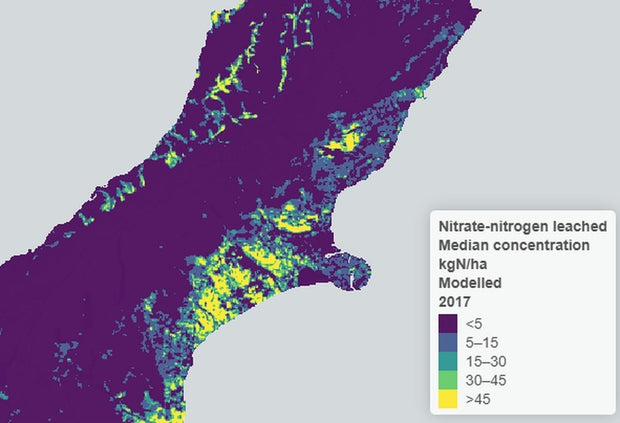

The primary source of nitrate contamination in Canterbury’s groundwater is intensive farming, which has grown dramatically over the past few decades. As dairy herds and fertiliser use have increased, so too has the amount of nitrate leaching into the soil and water table. Other contributors include septic tanks, land use changes, and localised pollution — but across the region, dairy intensification remains the main driver. Once nitrates reach the groundwater, they can remain there for years, even decades.

The current national drinking water standard allows for nitrate levels up to 11.3 mg/L. However, new research from the University of Canterbury and the University of Otago indicates that health risks may occur well below this level.
Emerging studies have linked nitrate-contaminated drinking water to:
in water is a sign of fecal contamination, meaning the water may contain harmful microorganisms from animal or human waste
a chemical compound known as household bleach, used as a disinfectant, sanitizing agent, and stain remover for various applications, including cleaning toilets, removing mold, and treating swimming pools
Chlorine disinfects tap water by killing bacteria and viruses, making it safe to drink. However, it can cause an unpleasant taste and smell. Standard chlorine levels are considered safe, with minimal impact on home filtration systems.
Long-term excessive fluoride intake, especially from groundwater, can cause dental fluorosis, weakening and discoloring teeth. It may also lead to skeletal fluorosis, making bones brittle and joints stiff. Very high exposure can affect the thyroid or cause nausea and vomiting in severe cases.