Purity Water Filters
Chlorine in Your Tap Water: Understanding Sodium Hypochlorite and Filtration Solutions
Sodium Hypochlorite in New Zealand Water — What You Should Know
Across New Zealand, sodium hypochlorite plays a vital role in keeping our water supplies safe. It’s widely used by councils and treatment facilities to disinfect water and eliminate harmful microorganisms. But while it’s effective for public health protection, it’s worth understanding what sodium hypochlorite actually is, why it’s used, and what its potential downsides can be — especially for households with sensitive systems or those seeking purer, chemical-free water.
What Is Sodium Hypochlorite?
Sodium hypochlorite (NaOCl) is a chlorine-based compound — the active ingredient in household bleach — used by water authorities as a disinfectant. When added to water, it breaks down into hypochlorous acid, which kills bacteria, viruses, and other pathogens. This process has been essential in preventing waterborne diseases and maintaining safe public water supplies for decades.
Why Is It Used in Drinking Water?
In most New Zealand towns and cities, sodium hypochlorite is the final stage in the water treatment process. It ensures that even as water travels through pipes and storage tanks, microbial contamination remains low. This disinfection process is crucial for public health and is endorsed by regulatory bodies including Taumata Arowai and the Ministry of Health.
The Downsides: Taste, Odour, and Sensitivity
While sodium hypochlorite is effective, many households notice its side effects — a slight chlorine taste or smell in tap water. Some people experience dry skin, irritated eyes, or digestive discomfort when chlorine levels fluctuate. Over time, the presence of chlorine can also impact the taste of beverages like tea and coffee, or cause minor corrosion in appliances and fittings.
How Filtration Can Help
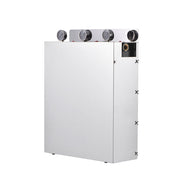
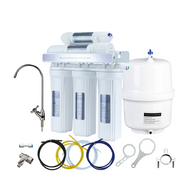
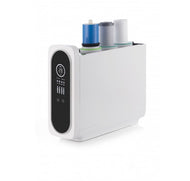
Home water filtration systems — particularly those using carbon filtration or reverse osmosis — can effectively remove sodium hypochlorite and its by-products, leaving water tasting clean, fresh, and neutral. These systems are especially beneficial for households that want:
- To reduce chemical taste or odour in tap water
- To protect sensitive skin from chlorine exposure
- To extend the lifespan of appliances and fixtures
- To ensure water is as pure as possible for cooking and drinking
Balancing Safety and Purity
Chlorination with sodium hypochlorite remains a cornerstone of safe water treatment, but that doesn’t mean you have to accept the trade-offs in taste and chemical exposure. For most households, installing an under-sink or full-home filtration system is the ideal balance — maintaining protection while restoring natural purity.
Final Word
New Zealand’s water infrastructure depends on sodium hypochlorite for reliable disinfection. Yet for those seeking the highest quality drinking water, filtration is the next step. By removing chlorine compounds and their by-products, you can enjoy crisp, fresh water straight from your tap — without compromising on safety.