Purity Water Filters
E. coli in New Zealand Water: What You Need to Know — and How to Protect Your Home
E. coli in New Zealand Water: What You Need to Know — and How to Protect Your Home
Across New Zealand, water safety has become a growing concern — and one of the most common indicators of contamination in drinking water is the presence of E. coli. While not all forms are harmful, detection of E. coli in your supply signals that faecal contamination has occurred, meaning other harmful pathogens may also be present.
Understanding what E. coli is, where it comes from, and how to manage it is key to keeping your household’s drinking water safe — particularly for homes using private bores, wells, or rural water supplies.
What Is E. coli?
Escherichia coli (E. coli) is a bacterium commonly found in the intestines of humans and warm-blooded animals. Most strains are harmless, but some — known as pathogenic E. coli — can cause illness when ingested through contaminated food or water.
In water testing, E. coli acts as an indicator organism, meaning that its presence suggests faecal matter has entered the water supply and that other pathogens such as Giardia or Cryptosporidium may also be present.
How Does E. coli Get Into Water Supplies?
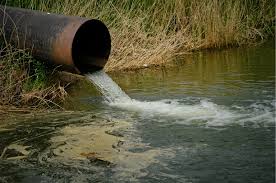
Contamination usually occurs when animal or human waste seeps into groundwater or surface water. In New Zealand, common causes include:
- Agricultural runoff from livestock farms or effluent ponds
- Poorly sealed or shallow bores allowing surface water to enter
- Septic tank leaks or malfunctioning wastewater systems
- Heavy rainfall or flooding that washes contaminants into aquifers and waterways
Even smaller town supplies or rural schemes can be affected during severe weather or when maintenance lapses occur.
Health Risks of E. coli in Drinking Water
Drinking water contaminated with pathogenic E. coli can cause gastrointestinal illness with symptoms such as:
- Diarrhoea, nausea, and vomiting
- Abdominal pain or cramps
- Fever or dehydration (especially in children and the elderly)
Severe strains, like E. coli O157:H7, may lead to haemolytic uremic syndrome (HUS) — a rare but serious kidney complication. Infants, pregnant women, and people with weakened immune systems face the greatest risk.
E. coli Regulations in New Zealand
Under Taumata Arowai — New Zealand’s drinking-water regulator — the Maximum Acceptable Value (MAV) for E. coli is zero detectable E. coli per 100 mL sample. In short: any detection at all means the water is unsafe to drink.
Public water suppliers are required to monitor for E. coli routinely, but private well and bore owners must test and maintain their own systems.
Protecting Your Home from E. coli
- Test your water regularly: Use an accredited lab or local council service at least once or twice a year — or after floods, repairs, or changes in water clarity or taste.
- Inspect your bore or spring: Ensure it’s properly sealed and protected from surface runoff and nearby effluent or septic systems.
-
Install a certified filtration or disinfection system:
- UV sterilisation kills bacteria and viruses without chemicals.
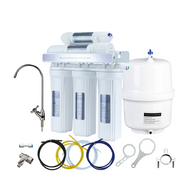
- Reverse osmosis (RO) systems remove bacteria, nitrates, and other contaminants at a microscopic level.
- Maintain and replace filters: Service and replace UV lamps or cartridges as recommended.
- Stay informed: During flooding or contamination events, follow council boil-water notices and consider long-term filtration for peace of mind.
“Clean water isn’t a luxury — it’s a necessity. Regular testing and proper filtration are the best defences against hidden contaminants like E. coli.”
E. coli contamination in New Zealand is more common than most people realise — but with the right testing, protection, and certified filtration, you can make sure every glass of water in your home is safe, pure, and refreshing.
At Purity Water Filters, we help Kiwis protect their health with advanced reverse osmosis and UV systems designed for New Zealand’s unique water conditions.