Purity Water Filters


Nitrates: Nitrates in New Zealand waters are a real concern
Why Nitrates in New Zealand Water Are a Real Concern — and Why Filtration Matters
Across New Zealand, drinking-water sources are facing rising nitrate levels. While the situation varies by region, the evidence is clear: nitrates in groundwater and private supplies are not just an environmental issue, but a growing public-health concern. One of the most reliable ways to protect your household is through effective water filtration or point-of-entry treatment.
What Are Nitrates — and Why Do They Matter?
Nitrate (NO₃⁻) is a naturally occurring form of nitrogen found in soils, plants, and water. However, human activity — particularly intensive farming, nitrogen-based fertilisers, irrigation, and animal waste — has led to increased nitrate concentrations in groundwater. Elevated nitrate levels can reduce oxygen delivery in the blood (especially dangerous for infants), and emerging research links long-term exposure to potential chronic health risks.
Where are Nitrates high:


What the Numbers Tell Us
Under New Zealand’s drinking-water standards (Taumata Arowai / Ministry for the Environment / Ministry of Health), the Maximum Acceptable Value (MAV) for nitrate is:
- 50 mg/L expressed as NO₃
- 11.3 mg/L expressed as NO₃-N
Yet, recent research suggests health effects may occur at levels as low as 1 mg/L NO₃-N. National studies indicate that around 4% of rural groundwater samples exceed the MAV, particularly in farming-intensive regions.
Who Is at Risk?
Households using private wells, bores, or springs are most exposed, since smaller supplies are less regulated and often not routinely tested. Pregnant women and infants face the highest health risks — including potential links to low birth weight and pre-term birth. Some studies also explore possible associations between long-term nitrate exposure and chronic illnesses such as colorectal cancer.
Why This Matters Now
With ongoing increases in fertiliser use, irrigation, and livestock density, nitrate leaching into groundwater is becoming more widespread. Even public supplies that currently test below the MAV are showing rising trends — and the long-term safety margin is narrowing.
Filtration: The Practical Solution for Households
Boiling water does not reduce nitrate levels. The most effective way to ensure safe drinking water is through filtration or point-of-entry treatment systems designed for nitrate removal.
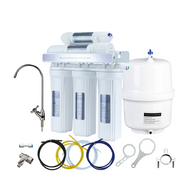
- Ion-exchange, reverse-osmosis, and specialty cartridges can significantly lower nitrate concentrations.
- Filtration offers peace of mind by reducing dependency on regional testing schedules.
- Especially vital for private wells, rural households, and young families.
What You Can Do
- Test your water: Use a certified lab to check nitrate levels — especially for private wells and bores.
- Check public data: Review nitrate results published by your local supplier or council.
- Install certified filtration: Choose nitrate-reduction systems such as RO or ion-exchange filters.
- Maintain and replace filters: Regular servicing ensures ongoing protection.
- Monitor over time: Land-use and rainfall can cause seasonal nitrate fluctuations.
“Safe water isn’t just about clarity — it’s about chemistry. Protecting your household from nitrates means taking control of your water quality at the source.”
In short, while regulatory limits exist, many experts now question whether they’re truly protective for long-term health. With nitrate pressures continuing to rise across Aotearoa, the best safeguard for your family is a dedicated water-filtration system — ensuring every glass you pour is clean, safe, and refreshing.